My Breast Cancer Survivor Story: From Routine MRI to Resilience.

It All Started With an Email
Nothing dramatic, nothing ominous—just a message from Park Nicollet reminding me that I had turned forty and it was time to come in for an MRI. It felt routine, like updating your eyeglass prescription or promising yourself you’ll start doing yoga.
But everything changed when they asked me to come back the next day for a repeat scan. And everything really changed when the radiologist placed a gentle hand on my back and guided me into a conference room. That was the moment I knew something was truly wrong.
There was something suspicious in my left breast.
The Longest Five Days of My Life
The biopsy came the following day. What should have been a 20-minute procedure stretched into more than three hours because of the amount they needed. My fear expanded with every passing minute.
Then came five excruciating days of waiting—five days where my mind spiraled in every direction. I wrote letters to my three children, the kind no parent ever imagines writing. I even wrote a letter to my husband’s future wife, joking that I would absolutely haunt her if she mistreated my kids.
Those days felt heavy, fragile, and endless.
The call finally came: stage zero DCIS—ductal carcinoma in situ. Relief washed over me at the word zero, until it was immediately followed by mastectomy.
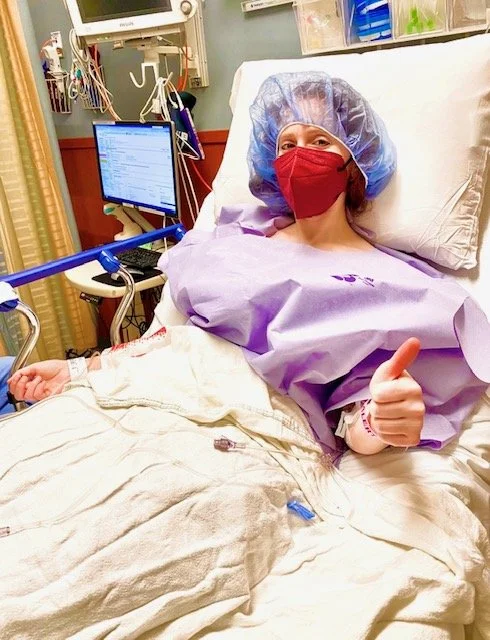
DCIS exists in an unusual space—an in-between cancer. No chemo. No radiation. No outward signs of illness.
And yet everything changes.
You look in the mirror and see someone you don’t recognize. Someone you don’t want to recognize. A survivor of something hidden, but changed in every visible way. People may call you “lucky,” but inside you’re navigating fear, grief, loss, and a body you’re meeting for the first time.
When Fiction Became Reality
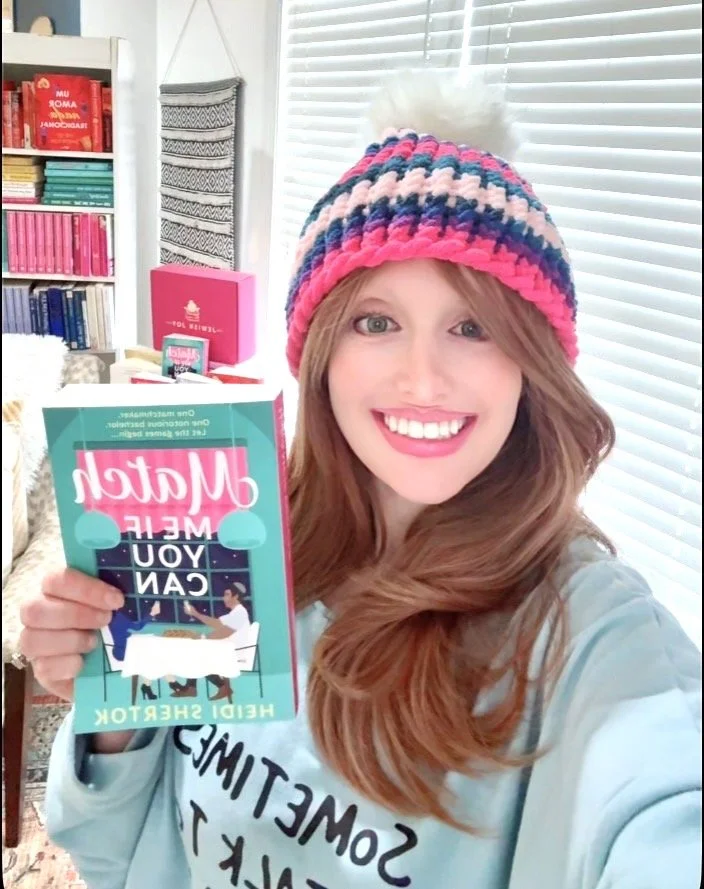
The timing felt surreal. My debut novel, UNORTHODOX LOVE, was set to release that summer. My main character was a woman born with a hypoplastic uterus—a condition that left her infertile and forced her to confront big questions about identity and womanhood.
I had written her emotional journey. Her grief. Her questions.
Never imagining I was about to walk my own version of that same path.
Suddenly, the themes I had crafted on the page—femininity, loss, self-definition—became deeply, painfully personal.
Complications, Chronic Illness, and the Ripple Effect on Family
Recovery was not straightforward. Reconstruction was complicated by cellulitis. My fibromyalgia and chronic fatigue syndrome worsened. My body felt unpredictable, uncooperative.
And the impact wasn’t mine alone.
A woman’s cancer journey ripples through an entire household. My husband. My children. Our rhythms. Our emotional reserves. Everything shifted.
There were days when I felt guilty for being exhausted, guilty for not being able to show up in the ways I wanted. But slowly I learned what it means to rest, to accept help, and to let healing happen on its own timeline.
Zero sounded like nothing. Nothing shouldn’t require something so drastic. But that was the recommended cure. No chemo. No radiation. Just surgery. Just letting go of a part of my body that had fed my babies, shaped my femininity, and felt inseparable from who I was.
They told me the right breast looked perfectly clear. There was “no reason” to remove it.
But I chose a bilateral mastectomy anyway. I’m someone who plays it safe.
And it turned out to be the right choice. The tissue from the right breast revealed the earliest signs of change—a quiet warning no one had yet detected.
“ People call you lucky, but inside you’re navigating fear, grief, loss, and a body you no longer recognize.”
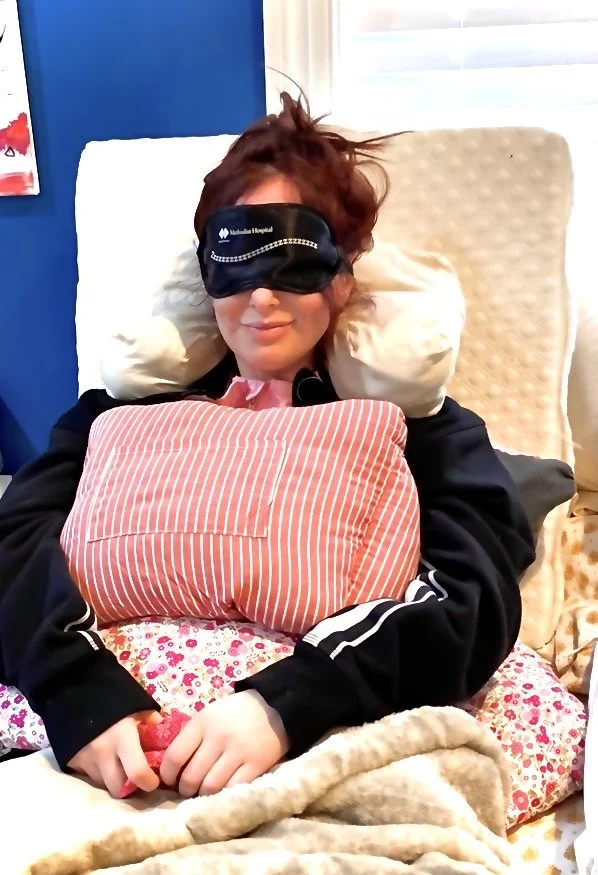
Two Years Later—Owning the Word Survivor
Time softened the edges. Healing came—imperfect, nonlinear, but real.
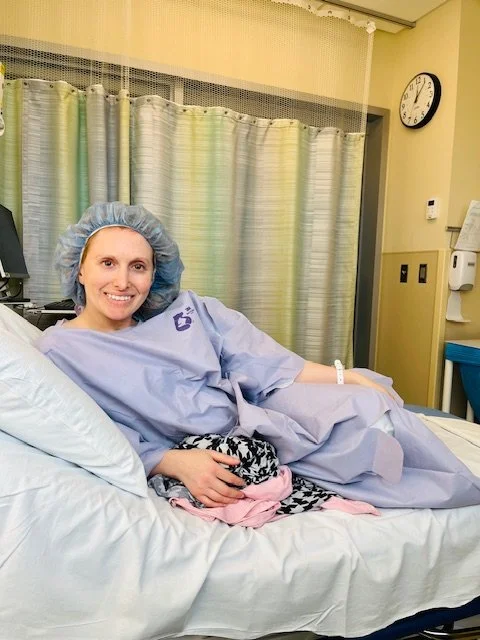
Today, two years later, I am proud to call myself a DCIS survivor. Proud of the difficult decisions I made. Proud of the woman I’ve become.
And I hope that by sharing my story, someone reading this feels a little less alone, a little more hopeful, and reminded that strength often grows from moments we never expected to face.